- Thread Author
- #1
I started upgrading my library (what a foolish thing was to go all-electronic) and it just keeps hitting me how thick Antique legacy is. It all burned down, yadda yadda - not even once.
Herodotus is hecking THICK, Thucydides is THICK, Plato/Aristotle are beyond thick, Xenophon and Plutarch are on par. There are other works, many and many, that match the thickness.
Another non-obvious point is that plenty of Latin literature was always available to Europeans - like, whatever there is, from Apuleius and on. "Dark ages" literates had perhaps bigger libraries than individual Roman senators could afford.
It is abnormal to have such wealth of information from 2500 years ago, and not something to be expected as a matter of course. Greek and Latin being staple of classical education (that is, all education) wasn't a weird fancy, these languages had more information than most national literatures.
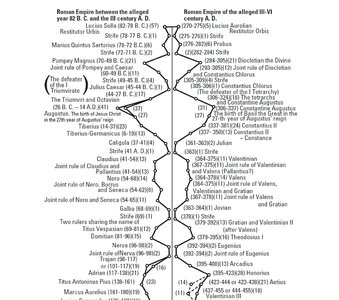
But, that's assuming Antiquity was "long ago" and not meager 200-300 years before Reneissance. Which would make sense, given the volume of information.
Herodotus is hecking THICK, Thucydides is THICK, Plato/Aristotle are beyond thick, Xenophon and Plutarch are on par. There are other works, many and many, that match the thickness.
Another non-obvious point is that plenty of Latin literature was always available to Europeans - like, whatever there is, from Apuleius and on. "Dark ages" literates had perhaps bigger libraries than individual Roman senators could afford.
It is abnormal to have such wealth of information from 2500 years ago, and not something to be expected as a matter of course. Greek and Latin being staple of classical education (that is, all education) wasn't a weird fancy, these languages had more information than most national literatures.
But, that's assuming Antiquity was "long ago" and not meager 200-300 years before Reneissance. Which would make sense, given the volume of information.